Grow A Bountiful Harvest Of Pak Choy With These Companion Plants
Grow a Bountiful Harvest of Pak Choy with These Companion Plants
Pak choy is a delicious and versatile vegetable that is easy to grow. It is a member of the brassica family, which also includes broccoli, cabbage, and kale. Pak choy is a good source of vitamins A, C, and K, and it is also a good source of fiber.
One way to improve the yield and quality of your pak choy crop is to plant companion plants. Companion planting is the practice of planting different types of plants together in order to benefit each other. There are many different companion plants that can be beneficial for pak choy, but some of the best include:
- Beets: Beets are nitrogen-fixing plants, which means that they add nitrogen to the soil. This can help to improve the growth of pak choy.
- Bush beans: Bush beans are also nitrogen-fixing plants, and they can provide shade for pak choy during the hot summer months.
- Carrots: Carrots and pak choy have similar growing requirements, and they can be planted together in the same bed.
- Celery: Celery can help to repel pests from pak choy, and it can also provide shade for the plants during the hot summer months.
- Cucumbers: Cucumbers and pak choy can be planted together in the same bed, and they can help to shade each other from the hot summer sun.
In addition to these specific companion plants, there are a few general principles that can be followed when planting pak choy with companion plants. First, it is important to plant plants with similar growing requirements together. This will help to ensure that all of the plants in the bed receive the right amount of water, sunlight, and nutrients. Second, it is important to plant plants that will benefit each other. For example, plants that attract beneficial insects can help to protect pak choy from pests.
By following these tips, you can grow a bountiful harvest of pak choy with companion plants.
Here are some additional tips for growing pak choy with companion plants:
- Plant your pak choy in full sun or partial shade.
- Water your pak choy regularly, especially during hot weather.
- Fertilize your pak choy every few weeks with a balanced fertilizer.
- Harvest your pak choy when the leaves are young and tender.
With a little care and attention, you can enjoy a delicious and healthy harvest of pak choy all season long.
null
FAQ of pak choi companion plants
Q: What are good companion plants for pak choi?
A: Pak choi is a cool-season vegetable that is relatively easy to grow. It can be planted with a variety of other vegetables, but some of the best companion plants for pak choi include:
- Carrots: Carrots help to repel pests that can damage pak choi, such as aphids and cabbageworms.
- Beans: Beans fix nitrogen in the soil, which benefits pak choi and other plants.
- Lettuce: Lettuce helps to suppress weeds, which can compete with pak choi for water and nutrients.
- Peas: Peas attract beneficial insects, such as ladybugs, which help to control pests.
- Spinach: Spinach helps to improve the soil drainage, which is beneficial for pak choi.
Q: What are some plants that should not be planted near pak choi?
A: There are a few plants that should not be planted near pak choi, as they can compete with it for water and nutrients or attract pests. These plants include:
- Cabbage: Cabbage is a member of the same family as pak choi, so they are susceptible to the same pests and diseases.
- Kale: Kale is another brassica, so it should not be planted near pak choi for the same reasons as cabbage.
- Onions: Onions can release sulfur compounds that can stunt the growth of pak choi.
- Tomatoes: Tomatoes can attract pests that can damage pak choi, such as tomato hornworms.
- Potatoes: Potatoes can release toxins that can harm pak choi.
Q: How far apart should pak choi plants be planted?
A: Pak choi plants should be planted about 12 inches apart. This will give them enough space to grow and mature properly.
Q: How long does it take pak choi to grow?
A: Pak choi can be harvested in about 45 days from seed. However, you can start harvesting the leaves sooner, if you need to.
Q: How do I care for pak choi plants?
A: Pak choi plants are relatively easy to care for. They need full sun and well-drained soil. Water them regularly, especially during hot weather. You may need to fertilize them once a month with a balanced fertilizer.
Image of pak choi companion plants
- Radish: Radishes are a good companion plant for pak choi because they help to repel pests. They also grow quickly, so you can harvest them before they shade out the pak choi.

- Carrots: Carrots and pak choi are both root vegetables, so they don't compete for space. They also help to deter pests from each other.
- Garlic: Garlic is a natural pest repellent, so it's a good choice for companion planting with pak choi. It also helps to improve the flavor of the pak choi.
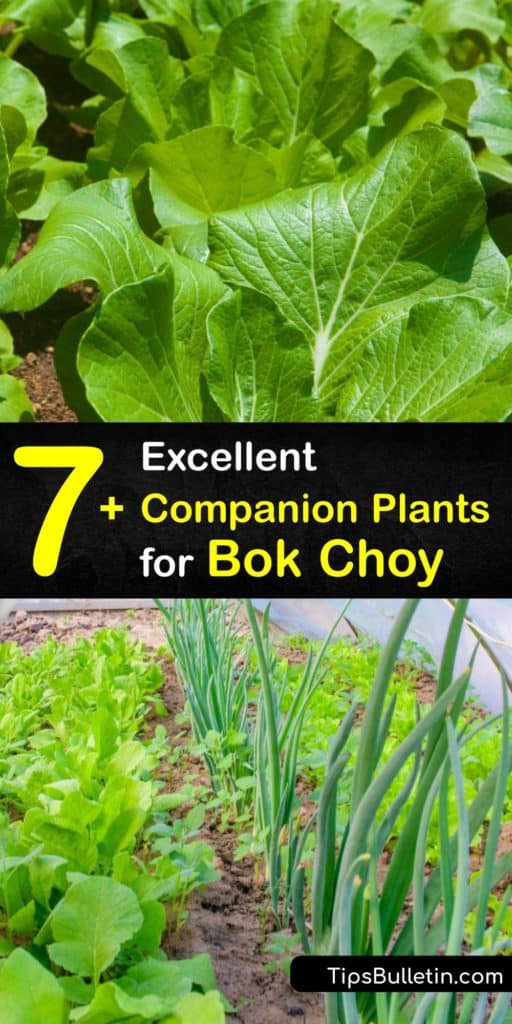
- Onions: Onions are another good choice for companion planting with pak choi. They have similar pest-repelling properties to garlic, and they also help to improve the flavor of the pak choi.
- Beans: Beans are a good nitrogen-fixing plant, which means they can help to improve the soil quality for pak choi. They also grow quickly, so you can harvest them before they shade out the pak choi.

Post a Comment for "Grow A Bountiful Harvest Of Pak Choy With These Companion Plants"